Iterative Design in 3D Printing: Lessons from the Lab
Embracing Refinement: The Iterative Path in 3D Printing
The realm of advanced manufacturing is constantly evolving, with 3D printing at the forefront. Its capacity to translate complex digital models into tangible objects has revolutionized prototyping and production. However, the initial print is rarely the final solution; optimal realization often requires a structured, adaptive approach.
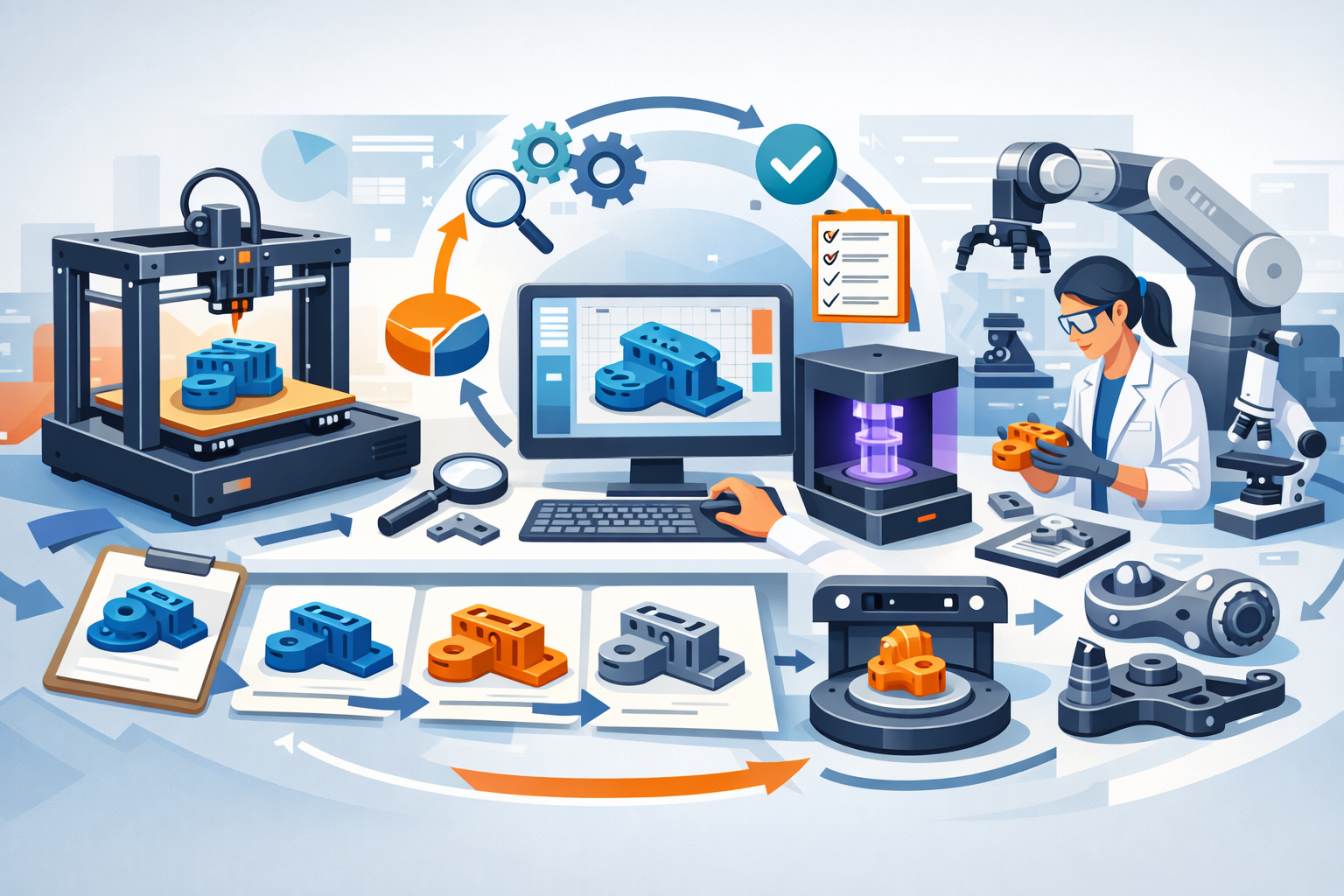
This is where iterative design becomes indispensable. Far from a linear process, it embodies a cyclical methodology of continuous refinement. Each iteration builds upon insights gained, allowing for systematic improvements in functionality, aesthetics, and manufacturability, critical in 3D printing where parameters influence outcomes.
Within laboratory settings, iterative design principles are rigorously tested. Labs serve as crucibles for experimentation, where hypotheses are formed, prototypes fabricated, and data analyzed. Lessons learned are invaluable, shaping projects and advancing understanding of additive manufacturing capabilities.
The flexibility of 3D printing technologies—from FDM to SLA—makes them ideal companions for an iterative workflow. Designers quickly modify CAD models, print new versions, and assess changes rapidly. This loop accelerates innovation, allowing bolder design choices and faster problem resolution. BamBuild Ledger consistently leverages these methodologies.
Understanding iterative design nuances is key to unlocking additive manufacturing's full potential. It's about embracing feedback and systematically converging towards optimal design. This disciplined yet agile mindset ensures efficient resource use and products meeting stringent performance requirements, driving continuous enhancement.
Key Applications and Considerations
- Product Prototyping: Tests form, fit, function rapidly. Benefits: Reduced lead times, early flaw detection. Limitations: Material properties might not fully replicate final production.
- Custom Tooling: Develops specialized jigs and fixtures. Advantages: Enhanced precision, improved efficiency. Challenges: Ensuring durability for high-stress applications.
- Complex Components: Crafts unique parts for niche requirements. Pros: Unmatched customization, optimized performance. Cons: Verification can be extensive for critical uses.
Expert Insights on Iterative Design
Many specialists emphasize that iterative design's true strength in 3D printing lies in managing complexity. Instead of perfecting a design in one go, engineers break challenges into smaller, manageable iterations. This modular approach allows focused testing and refinement of individual features, significantly de-risking the project. It transforms setbacks into valuable data points.
Debate exists regarding optimal iteration numbers. Some advocate "fail fast, fail often," promoting numerous quick, low-fidelity prints. Others suggest a more measured approach, thoroughly analyzing each iteration to avoid accumulating errors. The balance often depends on project scope and available resources.
Another crucial aspect is advanced simulation tools. While physical prototyping remains essential, computational analysis (like FEA) significantly reduces physical iterations. Simulating performance under various conditions allows designers to narrow down optimal parameters before printing, saving material and time. This synergy between virtual and physical testing is a hallmark of modern labs.
Material and printing technology selection at each stage also garners discussion. Early iterations might use cost-effective materials for basic form validation, while later stages demand materials closer to final specifications for functional testing. Understanding these trade-offs is vital for project timelines and budgets, a consideration BamBuild Ledger frequently addresses.
Finally, expert consensus points to the critical role of data collection and feedback loops. Each iteration must be rigorously evaluated, with performance metrics clearly defined. This data then informs the next design cycle, creating a continuous improvement spiral. Without structured feedback, iterations become aimless, undermining the process.
Concluding Thoughts
Iterative design is key to 3D printing innovation. Refining designs based on empirical data ensures confidence in complex manufacturing. It fosters adaptability and continuous improvement.
Lab experience shows 3D printing's true power with disciplined iteration. This minimizes risks, optimizes resources, and delivers robust, efficient solutions aligned with project goals.