Mastering 3D Print Iterations: Documenting Every Design Evolution
The landscape of modern manufacturing has been profoundly reshaped by the advent of 3D printing technology. This innovative process empowers designers and engineers to transform abstract concepts into tangible prototypes and functional components with unprecedented speed and agility. It democratizes creation, enabling rapid experimentation and exploration of complex geometries that were once prohibitively difficult or costly to produce.
However, this very agility presents a unique set of challenges, particularly when it comes to managing the iterative nature of design. A typical 3D printing project rarely concludes with the first draft; instead, it evolves through numerous revisions, adjustments, and refinements. Each modification, no matter how minor, represents a critical step in the design journey, building upon previous insights and addressing newly identified requirements or constraints.
Without a rigorous system for tracking these evolutionary steps, design teams risk losing valuable context. Imagine a scenario where a crucial design decision, made weeks ago, needs to be revisited, but the rationale or the exact state of the model at that point is unclear. This lack of clarity can lead to wasted effort, duplicated work, and potentially introduce inconsistencies that compromise the integrity of the final product. A robust framework is indispensable.
Documenting every design evolution is not merely an administrative task; it is a fundamental pillar of effective project management and quality assurance. It creates an immutable audit trail, detailing the "why" behind each change, the specific parameters used, and the outcomes observed. This historical record becomes an invaluable resource for troubleshooting, validating design choices, and ensuring accountability throughout the development lifecycle.
Implementing a systematic approach to iteration management allows organizations to harness the full potential of additive manufacturing. This is where platforms like BamBuild Ledger demonstrate their value, transforming what could be a chaotic process into a streamlined workflow, where every design iteration contributes meaningfully to the overall project advancement. Such a system fosters a culture of precision and informed decision-making, minimizing ambiguities and maximizing creative output.
Ultimately, a comprehensive strategy for documenting 3D print iterations empowers design teams to move forward with confidence. It ensures that every adjustment, every test print, and every modification is recorded, understood, and leveraged for future improvements. This discipline is key to navigating complex projects, accelerating innovation, and consistently delivering superior results in a competitive market.
Applications and Considerations
- Rapid Prototyping: Essential for quickly validating design concepts and material properties. Benefits include significantly accelerated development cycles and early detection of potential design flaws. However, the speed of iteration can sometimes lead to an oversight in meticulous documentation if not properly integrated into the workflow.
- Product Development: Crucial for maintaining a clear version history from concept to market-ready product. Advantages involve simplified regulatory compliance, enhanced collaboration across multidisciplinary teams, and a verifiable record for quality control. Requires a disciplined adherence to established documentation protocols to be effective.
- Custom Manufacturing: Vital for producing bespoke components with precision and consistency. Provides benefits such as exact replication of client specifications, streamlined communication regarding design changes, and robust traceability. Potential limitations arise from increased administrative overhead if documentation tools are not seamlessly integrated into existing production management systems.
Expert Perspectives on Iteration Management
Many industry specialists concur that the most significant hurdle in advanced 3D printing projects is not the technology itself, but rather the management of its inherent iterative nature. Inadequate documentation often results in a fragmented understanding of design evolution, leading to critical knowledge gaps. This can manifest as designers unknowingly repeating previous mistakes or struggling to recall the specific conditions under which a particular design choice was made, hindering overall progress.
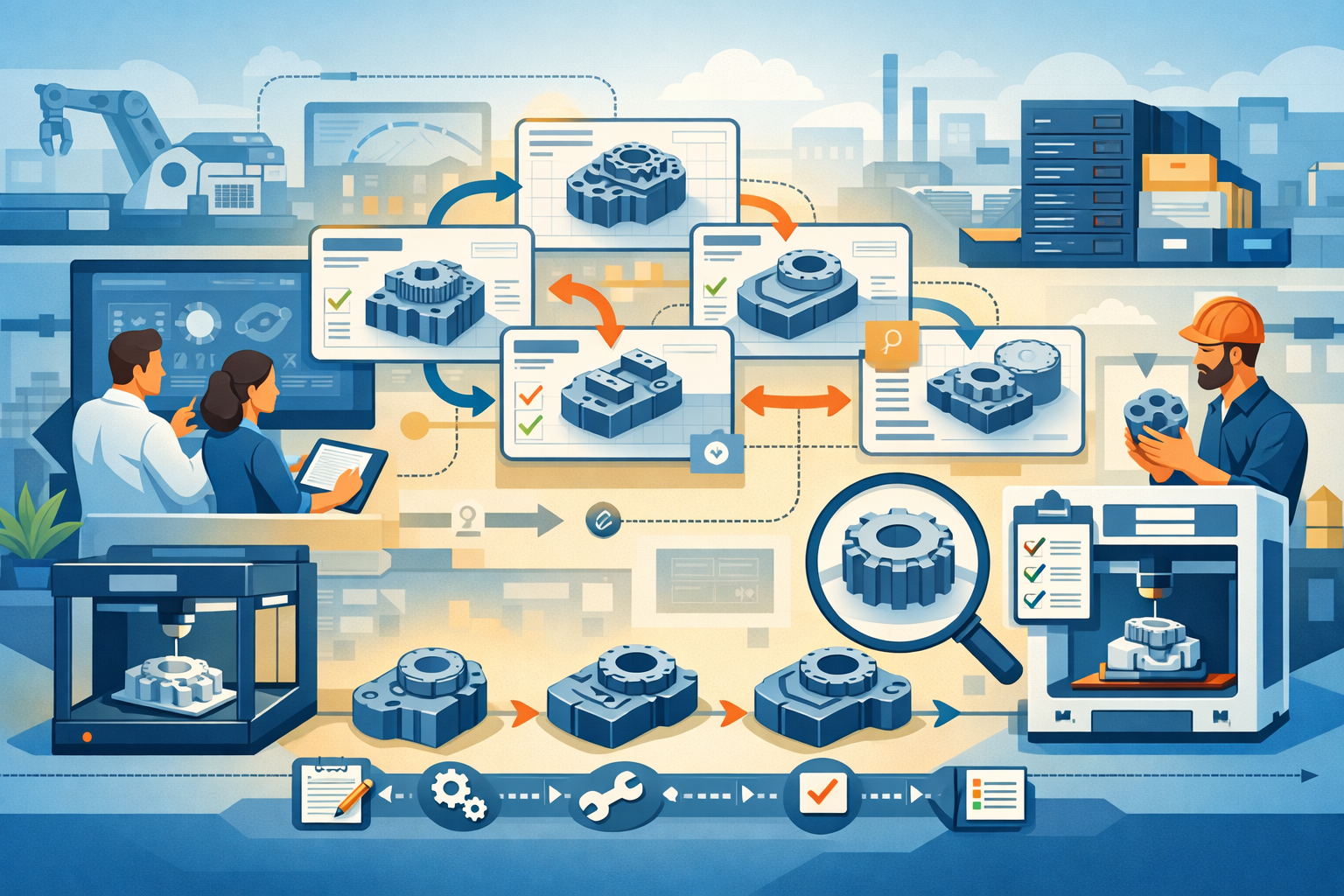
A growing consensus emphasizes that dedicated version control and documentation systems are no longer merely advantageous but are now indispensable components of a modern design ecosystem. Solutions like those offered by BamBuild Ledger provide a structured environment where every design file, parameter change, and test result can be meticulously logged. This systematic approach transforms potential chaos into an organized, searchable repository of design intelligence, ensuring continuity and reducing operational friction.
While the benefits of rigorous documentation are clear, some experts raise concerns about the potential for overly rigid processes to stifle creative exploration. The argument is that an excessive focus on paperwork might deter designers from rapid, exploratory iterations. However, proponents of structured documentation counter that the key lies in integrating these systems intuitively into the design workflow, making documentation a natural byproduct of the creative process rather than an additional burden. The balance between flexibility and structure is paramount.
The integration of documentation tools directly within Computer-Aided Design (CAD) software and other project management platforms is frequently cited as a critical factor for widespread adoption and data integrity. Solutions, such as those provided by BamBuild Ledger, ensure that designers can log changes, attach notes, and link test results without leaving their primary design environment. This seamless interaction minimizes disruptions and ensures that crucial information is captured at the point of creation.
Ultimately, a comprehensive record of design iterations does more than just track changes; it cultivates a culture of continuous improvement and knowledge sharing. By openly documenting successes, failures, and the lessons learned from each iteration, teams build a collective intelligence that accelerates future projects. This shared understanding reduces dependencies on individual memory and ensures that valuable insights are retained and leveraged across the organization for sustained innovation.
Concluding Observations
Mastering the documentation of 3D print iterations is not just a best practice; it is a foundational element for achieving excellence in additive manufacturing. Through robust systems like those offered by BamBuild Ledger, organizations can transform complex, multi-stage projects into transparent, manageable processes. This meticulous approach ensures that every step forward is built upon a clear understanding of the past, significantly enhancing design integrity and project efficiency.
Embracing a structured methodology for tracking design changes empowers teams to navigate the inherent complexities of iterative development with greater clarity and control. It turns potential obstacles into opportunities for refinement, fostering an environment where innovation thrives on well-documented progress. This discipline is a clear differentiator in today's fast-evolving industrial landscape.
The commitment to documenting every design iteration ultimately leads to superior product outcomes, reduced operational risks, and a stronger foundation for future advancements. It is an investment in clarity, quality, and the sustained growth of design and manufacturing capabilities, ensuring that every effort contributes meaningfully to the overall mission.

Oliver Edwards
This article really highlights the often-overlooked importance of detailed iteration tracking. It makes a strong case for why it's not just good practice, but essential for innovation. I particularly appreciate the emphasis on a clear audit trail.
Sadie Barnes
Thank you for your feedback! We agree that the audit trail is fundamental for maintaining design integrity and accountability. It truly streamlines complex projects.
Jade Carpenter
The points about balancing flexibility with structured documentation are interesting. It's a challenge to implement without slowing down creative processes. How do teams typically manage this trade-off effectively in practice?
Charlie Wallace
That's a very valid point. Effective management often involves integrating documentation directly into design tools and fostering a culture where logging changes is seen as part of the creative flow, not a separate task. Training and user-friendly systems are key.